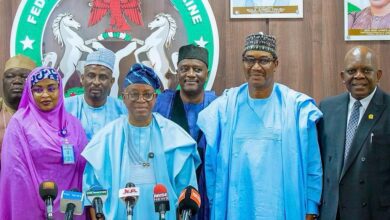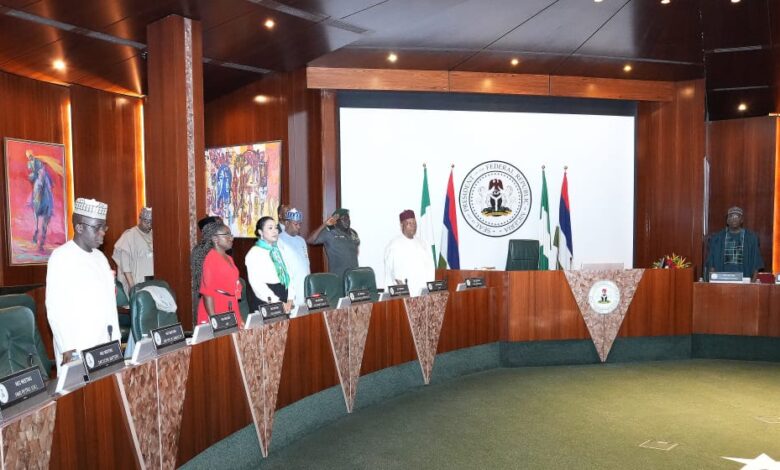


The National Economic Council (NEC) has approved N83.2 billion for the Anticipatory Action Task Force (AATF) to fund interventions aimed at mitigating the impact of anticipated flooding and other climate-related emergencies across the country.
The approval was made at the Council’s 158th meeting on Thursday, following a presentation by the Minister of State for Budget and National Planning, Senator Atiku Badugu, on the need to proactively address flood risks nationwide, particularly during the rainy season.
Council members noted the importance of AATF in tackling disasters and emergencies, stressing NEC could no longer afford to be seen as merely reacting to crises after they occur.
The meeting, chaired by Vice President Kashim Shettima, also saw the Council deliberate on logistical and compliance barriers preventing Nigerian Farm from reaching international markets, with Shettima urging state governments to work with the Federal Government to resolve it.
Speaking at the session, the VP said the President Bola Tinubu administration’s reform agenda must now translate into tangible results across the federation, adding that the Council’s work should be judged by what changes in the lives of ordinary Nigerians, including farmers, manufacturers, and vulnerable citizens, the unemployed and children.
Shettima, in a statement by the Senior Special Assistant to The President on Media & Communications, Office of The Vice President, Stanley Nkwocha, described the Nigeria as a federation in transition, moving from stabilisation to production, from aspiration to implementation, and from isolated interventions to coordinated national growth., and said the agenda before the Council was a continuation of that assignment rather than a new conversation.
He added that the country’s social production agenda offered a chance to convert national conscience into a lasting system, declaring that the dignity of the citizen with the least is the floor beneath which we have resolved that no Nigerian shall fall.
On trade and production, the Vice President said Nigeria’s economic transformation hinges on complete value chain connecting farms to factories, factories to standards, standards to ports, and ports to markets, saying that the country would not continue to export raw materials and import finished products.
He further assured that the Council would work to remove bottlenecks weakening Nigeria’s agricultural exports, particularly the port-related and compliance challenges that exporters face in meeting international standards, arguing that doing so was essential to rewarding farmers, strengthening manufacturers, and deepening the country’s role global trade.
“A nation that cannot move its goods has imprisoned its own farmers,” he said, adding that meeting international standards was “the price of the markets that will reward our labour” rather than a concession to foreign pressure.