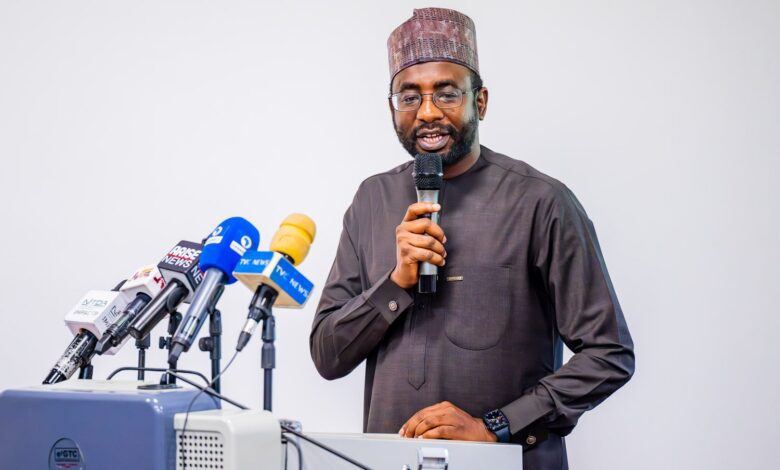


The Director-General of the National Information Technology Development Agency (NITDA), Kashifu Inuwa, has called for an inclusive artificial intelligence (AI) ecosystem that empowers people to create value rather than merely consume technology.
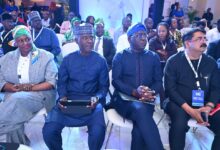
Abdullahi made the call on Tuesday at a high-level global dialogue on technology, innovation and social business for sustainable and inclusive development, where he joined world leaders and development advocates to examine the role of emerging technologies in advancing human development.
He said the global conversation on AI must move beyond expanding access to technology to ensuring representation, access and agency for citizens.
“Inclusive AI requires representation and access—and access must mean agency, not just consumption,” Abdullahi said.
According to him, AI systems must reflect the data, languages, cultures, contexts and values of the people they are designed to serve, while giving citizens the capacity to understand, build with and shape the technology.
Using agriculture as an example, the NITDA chief said AI could put expert knowledge within the reach of farmers who have limited access to professional agronomists.
He said an AI-enabled agronomist could help a farmer understand weather and soil conditions, identify crop challenges and access markets, adding that the ultimate measure of AI should be its impact on productivity, incomes and communities.
“The promise of AI is not that every Nigerian becomes an AI expert. It is that AI can put expertise within the reach of every Nigerian,” he said.
Abdullahi identified four pillars of Nigeria’s approach to inclusive AI as CONNECT, SKILL, COMPUTE and CREATE, citing initiatives aimed at expanding connectivity, building digital skills, strengthening sovereign cloud and AI capabilities, and supporting innovation.
He also stressed that Nigeria’s pursuit of digital sovereignty was not aimed at technological isolation, but at ensuring that AI systems understand Nigerian data and context, operate within Nigerian laws and reflect national values.
The DG called on global technology companies to move beyond selling technology to Africa and instead “build with Africa” by investing in computing infrastructure, transferring knowledge, developing local talent and supporting African datasets, languages and researchers.
He further emphasised the need to preserve human accountability as AI becomes increasingly involved in decisions affecting health, livelihoods, rights and public services.
“We can delegate tasks to machines. We cannot delegate accountability,” he said.
The session featured the President of the 81st Session of the United Nations General Assembly, Dr. Khalilur Rahman; President of Timor-Leste and Nobel Peace Laureate, José Ramos-Horta; Bhutanese Prime Minister, Tshering Tobgay; Brazil’s Minister of Development and Social Assistance, Family and Fight Against Hunger, Wellington Dias; and Pakistan’s Minister of State and Chairman of the Virtual Assets Regulatory Authority, Bilal Bin Saqib.
Also featured was Nobel Peace Laureate and founder of Grameen Bank, Professor Muhammad Yunus, alongside other global development leaders.
Abdullahi urged policymakers, technology companies and innovators to continually ask who is represented in the intelligence being created and who has the agency to shape and derive value from it.
He said Nigeria’s AI ambition was ultimately about using technology to expand human opportunity.
“The defining achievement of the AI age should not be that we created machines capable of extraordinary intelligence. It should be that we used that intelligence to unlock extraordinary human possibility; for everyone,” he said.