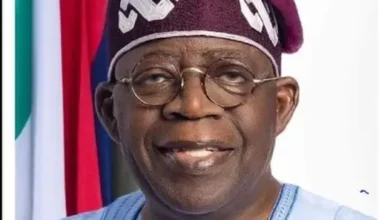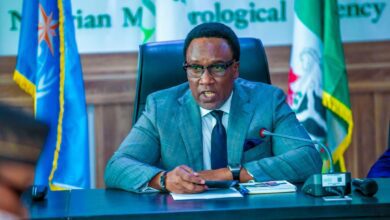


The Federal Government has explained why Vice President Kashim Shettima, and not President Bola Tinubu, led Nigeria’s delegation to the 81st Session of the United Nations General Assembly (UNGA) in New York, saying the arrangement does not diminish the country’s diplomatic standing.
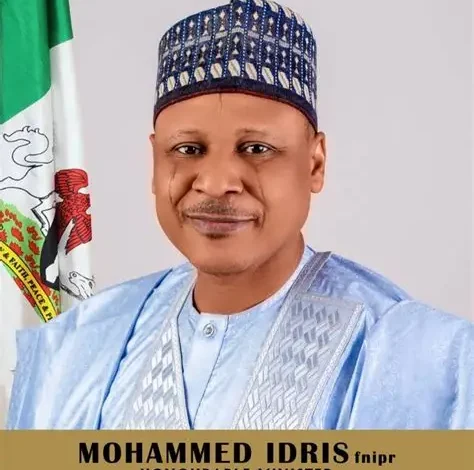
In a statement issued on Monday, Minister of Information and National Orientation, Mohammed Idris, said President Tinubu mandated Vice President Shettima to represent him and lead Nigeria’s delegation at the General Assembly, where the Vice President delivered Nigeria’s national statement and took part in high-level meetings and bilateral engagements with world leaders, international organisations and development partners.
Idris said Nigeria was “fully and effectively represented throughout the high-level session,” adding that Shettima “carries the full mandate of the President and the Federal Republic of Nigeria.”
He said the Vice President’s engagements in New York were aimed at advancing Nigeria’s priorities on peace and security, economic development, climate action, reform of the global financial architecture, sustainable development and international cooperation.
Idris explained that President Tinubu is currently on annual leave, and his decision to delegate the assignment to the Vice President is “neither unusual nor a diminution of the country’s diplomatic standing.”
The minister’s clarification comes amid commentary from former Vice President Atiku Abubakar and a US-based lobbying organisation retained by him, which had questioned Tinubu’s absence from the session.
Idris said the Federal Government had noted the commentary, which he said sought “to impute false and baseless motives” to the President’s non-attendance.
While acknowledging that political opposition and public debate are legitimate features of democracy, Idris said speculation “should not be presented to Nigerians or the international community as established fact,” and urged political actors to exercise responsibility when discussing matters affecting Nigeria’s international relationships and reputation.
The minister also addressed Nigeria’s relationship with the United States, describing it as longstanding and spanning trade and investment, security cooperation, energy, democratic institutions, regional stability and people-to-people ties.
He said that the relationship is conducted through established diplomatic and governmental channels and should not be confused with partisan commentary or the activities of private lobbying organisations representing political clients.
Idris called on Nigerians and the media to distinguish between verified information, legitimate political opinion and unsubstantiated speculation, reiterating that Nigeria was fully represented in New York and that its interests would continue to be “vigorously advanced.”