Africa Records Highest AMR-Linked Deaths As WHO Calls For Urgent Action
By Alice Etuka, Abuja


The World Health Organisation (WHO) has warned that antimicrobial resistance (AMR) is threatening decades of medical progress, with sub-Saharan Africa recording the highest rates of deaths associated with drug-resistant infections.
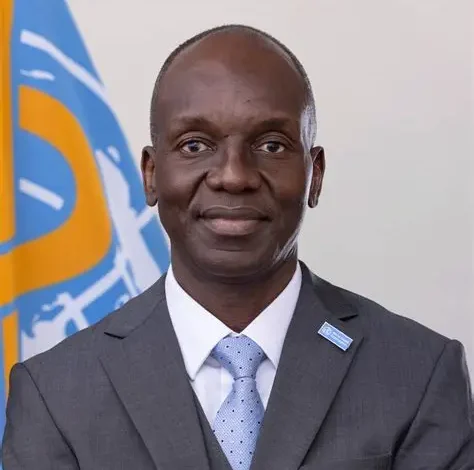
WHO Regional Director for Africa, Dr Mohamed Janabi, disclosed this in a message to mark the 2026 World Antimicrobial Resistance Awareness Week, observed from November 18 to 24.
Janabi said bacterial antimicrobial resistance was associated with an estimated 4.7 million deaths globally in 2021, warning that medicines relied upon for generations were increasingly losing their effectiveness.
He explained that AMR occurs when bacteria, viruses, fungi and parasites no longer respond to medicines, making infections more difficult to treat and increasing the risks associated with routine medical procedures.
According to him, the discovery of penicillin and other antibiotics transformed healthcare by making previously fatal infections treatable and improving the safety of surgeries, cancer treatments and organ transplants.
However, he warned that the growing resistance to these medicines could reverse such gains and place additional pressure on families and already strained health systems across the African region.
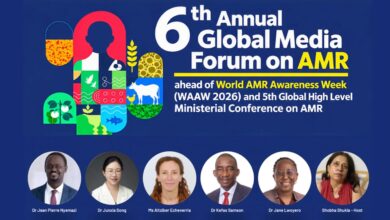
The 2026 awareness week is being marked under the theme, “One Health, One Action: Prevent AMR Now,” which recognises the interconnectedness of human, animal, plant and environmental health in tackling the growing threat.
Janabi identified inappropriate use of antimicrobials in humans and animals, poor infection prevention, inadequate water and sanitation, and unsafe waste disposal as factors accelerating the spread of drug-resistant infections.
He, however, noted that countries across the WHO African Region had recorded progress, with all 47 member states developing national action plans on AMR and enrolling in WHO’s Global Antimicrobial Resistance and Use Surveillance System.
He added that 44 countries could now conduct susceptibility testing for priority bacterial pathogens, while 36 had adopted WHO’s Access, Watch and Reserve classification to promote responsible antibiotic prescribing.
The WHO Regional Director also disclosed that the number of countries with functional One Health AMR governance mechanisms increased from 15 in 2023 to 29 in 2026, improving coordination among relevant sectors.
Despite the progress, Janabi called on governments to translate their national action plans into adequately funded programmes with clear responsibilities and measurable outcomes.
He urged countries to invest in laboratories, surveillance systems and responsible antimicrobial use, while ensuring that citizens have access to quality-assured medicines and appropriate treatment.
Janabi also called on health professionals, animal health workers and agricultural practitioners to strengthen infection prevention measures and ensure that antimicrobials were used responsibly.
He urged communities to contribute to the fight by keeping vaccinations up to date, maintaining proper hand hygiene, taking antibiotics only when prescribed by qualified health professionals and avoiding the sharing of leftover medicines.
The WHO official further called on researchers, industry players and development partners to support country-specific priorities, improve access to diagnostic services and treatments, and strengthen evidence-based interventions.
He commended member states and regional partners, including the Food and Agriculture Organisation of the United Nations, United Nations Environment Programme and World Organisation for Animal Health, for their collaboration in addressing AMR.
Janabi stressed that preventing infections through clean water, sanitation, vaccination, good hygiene and effective waste management remained critical to reducing the demand for antimicrobial medicines.
He reaffirmed WHO’s commitment to supporting countries and partners in strengthening the One Health approach, urging individuals and institutions to take concrete steps towards preventing antimicrobial resistance beyond the awareness week.