
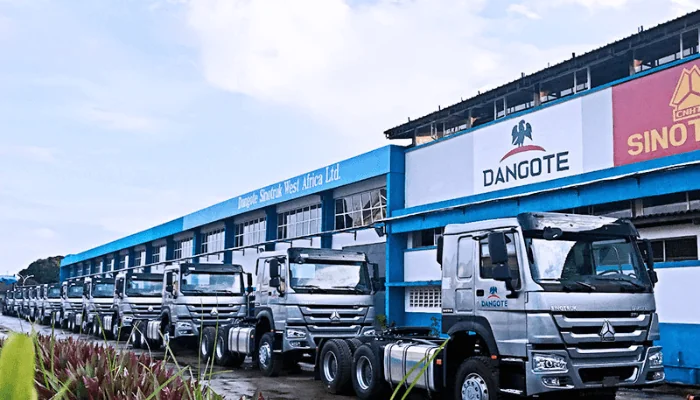


Independent petroleum marketers across four additional Nigerian states are set to benefit from lower distribution costs after Dangote Petroleum Refinery and Petrochemicals extended its free fuel delivery programme to Kano, Imo, Anambra and Nasarawa States.

The expansion builds on a scheme that originally covered Lagos, Ogun, Rivers, Kaduna, Abuja and Delta States, under which the refinery covers the cost of transporting petroleum products to marketers and retailers rather than passing that expense down the supply chain.
Fatima Aliko Dangote, Group Executive Director for Commercial Operations, Oil & Gas, WAEP and Fertiliser, said the programme reflects the refinery’s aim of ensuring domestic refining translates into real savings for consumers and businesses.
The GED, in a statement by the Dangote Group on Sunday, said covering delivery costs strips out a major part of the distribution burden, potentially allowing savings to reach consumers and supporting more competitive fuel prices nationwide.
The Independent Petroleum Marketers Association of Nigeria (IPMAN) praised the move, saying it would ease financial and logistical strain on independent operators.
IPMAN’s National Publicity Secretary, Chinedu Ukadike, said marketers have long struggled with delays between paying for products and having them loaded and delivered, sometimes tying up funds for weeks.
He said the new arrangement frees up marketers’ capital more quickly and improves their cash flow.
Ukadike added that because transportation costs are typically factored into pump prices, the initiative could help keep retail prices stable or push them lower, as competing marketers adjust their own pricing to match reductions from Dangote.
He urged the refinery to extend the scheme further, particularly into northern Nigeria, calling the development an example of how competition and deregulation can benefit the downstream sector.
The move comes as Dangote Refinery, which has a capacity of 700,000 barrels per day, continues to expand its role in supplying Nigeria’s domestic fuel market while also growing its presence abroad.
Analysts say reducing logistics costs for marketers serving distant regions could ease the broader cost pressures that have historically driven up fuel prices away from major supply hubs.