

Nigeria’s proven gas reserves, put at more than 215 trillion cubic feet, will not power homes or factories unless the country backs them with heavy investment in infrastructure, Seplat Energy Plc has said.

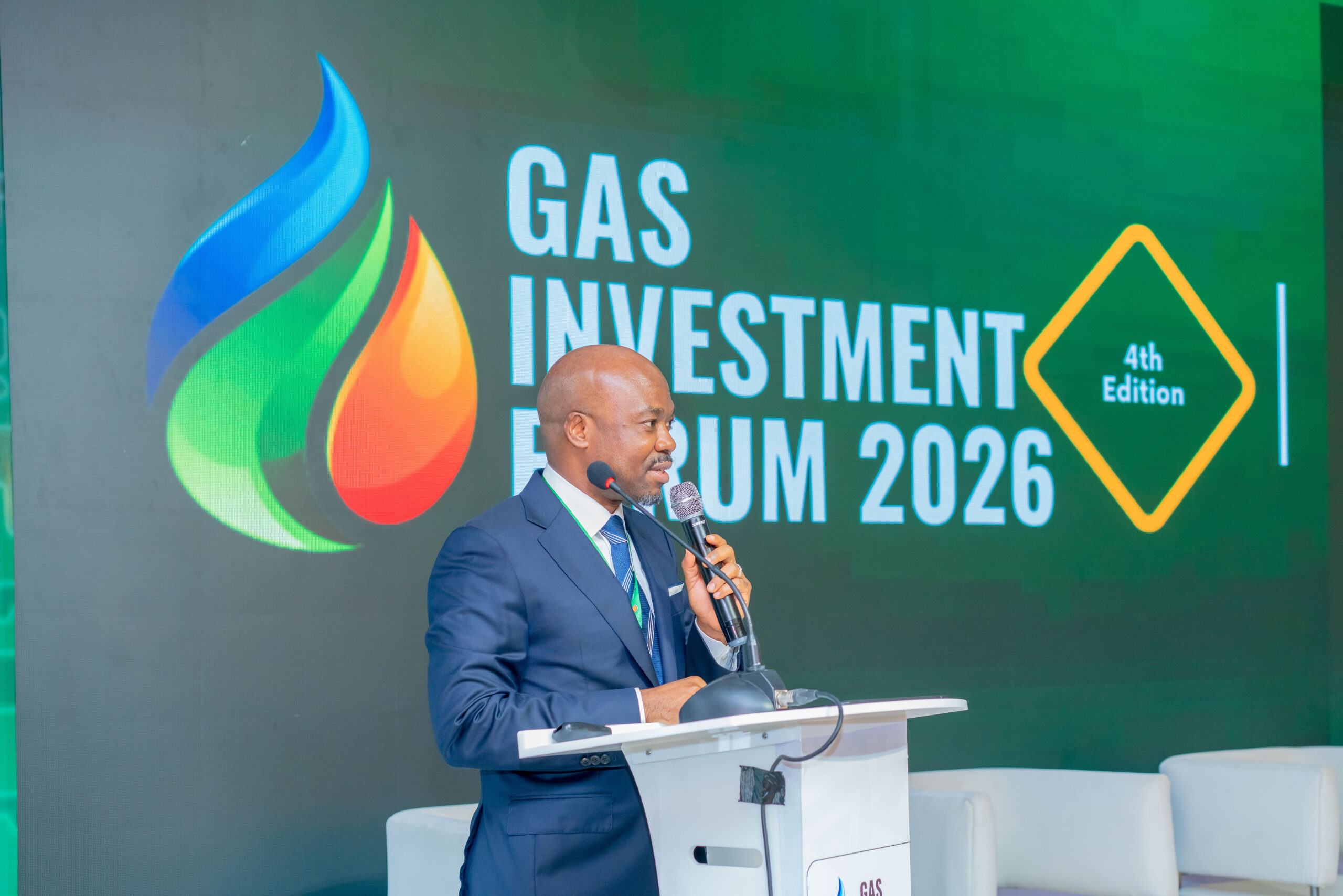
According to a statement on Wednesday by its Manager, Corporate Communications & Media Relations, Stanley Opara, the company made the call at the Gas Investment Forum (GIF) 2026 in Lagos.
Opara said the Seplat Chief Executive Officer, Engr. Effiong Okon, while speaking at the conference themed “Positioning Nigeria as Africa’s Global Gas Powerhouse,” said the true value of the reserves can only be unlocked through sustained spending on production, processing, transportation and utilisation facilities.
Represented at the event by the Director of Gas and New Energy, Mr. Okechukwu Mba, the Seplat CEO noted that energy poverty remains a major challenge on the continent, with an estimated 600 million people in Africa south of the Sahara still without electricity.
“Gas reserves in the ground do not power homes or factories. Gas creates value only when it is produced and reliably delivered to consumers. The task before us is to convert Nigeria’s vast gas endowment into tangible economic growth, industrial development and energy access for millions of people,” he said.
Okon commended the Federal Government for its efforts to improve investment conditions in the sector, especially moves to clear legacy debts in the gas to power value chain, which are making gas projects more bankable.
He also welcomed recent final investment decisions on major energy projects and described the start of operations on the OB3 gas pipeline as a significant milestone for the industry.
He credited policy reforms, particularly the Petroleum Industry Act (PIA), with creating a more transparent environment that is friendly to investors.
According to him, institutions such as the Nigerian Midstream and Downstream Petroleum Regulatory Authority (NMDPRA) and the Midstream and Downstream Gas Infrastructure Fund (MDGIF) are strengthening regulatory certainty and closing infrastructure gaps.
On competitiveness, Okon said Nigeria’s location in the Gulf of Guinea gives it an edge in serving regional and international markets, including Europe, while also meeting rising demand across Africa.
He outlined Seplat’s gas infrastructure investments over the past decade, namely the 375 MMscfd Oben Gas Plant, the 90 MMscfd Sapele Gas Plant and the flagship 300 MMscfd ANOH Gas Plant. Together, he said, they make the company one of Nigeria’s leading domestic gas suppliers.
Seplat currently supplies gas directly to six power stations and to many industrial customers through distribution networks. Through the ANOH plant, it also supplies fertilizer manufacturers, which he said supports the country’s food security goals.
Okon added that Seplat’s acquisition of ExxonMobil’s onshore and offshore assets has significantly raised domestic supplies of butane and liquefied petroleum gas (LPG).
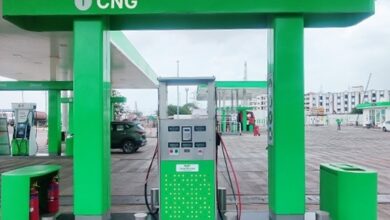
Ongoing investments in compressed natural gas (CNG) infrastructure, he said, are widening access to cleaner and more affordable energy for consumers who are not connected to pipelines.
“Together, these investments demonstrate Seplat Energy’s commitment to supporting government efforts to strengthen Nigeria’s energy security and accelerate gas led economic growth,” he said.
On the environment, he said Seplat ended routine flaring across its onshore operations at the end of 2025, which cut its operational emissions intensity significantly.
Closing his address, Okon urged government, industry and the financial sector to work together on projects that can turn “gas molecules into electrons” to power Nigeria’s industrial future.
“Nigerians cannot wait any longer. We must move from discussions to implementation and create the partnerships and investments necessary to fully realise the promise of our gas resources,” he said.
The Gas Investment Forum brings together policymakers, regulators, investors and industry leaders to explore ways of speeding up gas development and strengthening Nigeria’s position in regional and global energy markets.