
Nigeria Eyes More Investment In Oil, Gas Industry, Tasks Media On Accountable Reporting
By Sunday Etuka


The Federal Government and the Nigerian Upstream Petroleum Regulatory Commission (NUPRC) have advised energy journalists to look beyond announcements and hold the industry accountable for turning approved investments into actual production, as officials reported that the country’s crude output has stayed above its OPEC quota for four straight months.
Speaking on Thursday at the 2026 Annual Conference of the Association of Energy Correspondents Abuja (AECAF), with the theme: “Sustaining Oil and Gas Investment in Nigeria Amid Energy Transition,” Minister of State for Petroleum Resources (Gas), Ekperikpe Ekpo, said the government’s priority is proving to investors that policy will be consistently implemented, not just legislated.
He pointed to the Petroleum Industry Act (PIA) 2021 as a foundation, but cautioned that “legislation alone is not sufficient” without follow-through on project delivery.
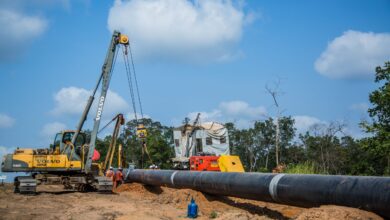
Represented by his Senior Technical Adviser, Abel NSA, Ekpo used much of his address to highlight the government’s Decade of Gas Initiative, describing gas infrastructure projects such as the AKK and OB3 pipelines as central to shifting Nigeria’s gas sector from an export-first model toward greater domestic use in power, manufacturing, fertiliser and transport.
He also called on energy correspondents to help build investor confidence by reporting “with accuracy, professionalism and a strong appreciation of the opportunities and challenges” facing the sector.
Production climbs toward 2 million barrels a day
NUPRC Chief Executive Oritsemeyiwa Eyesan, represented by the Commission’s Director of Subsurface Development, Joseph Ogunshola, told the conference that Nigeria averaged roughly 1.68 million barrels of crude and condensate per day in August 2026, meeting its OPEC quota for a fourth consecutive month.
“These peaks are encouraging and give us a stronger base from which to pursue the national production aspirations of 2 million barrels per day in the near term and 3 million barrels per day by 2030,” Eyesan said, according to remarks delivered on her behalf.
She said the Commission has approved Field Development Plans worth more than $57 billion since 2024, with 22 offshore projects planned between 2026 and 2030 carrying an estimated $30 billion to $50 billion in further investment. But she stressed that approvals alone mean little without execution. “The priority now is execution,” she said. “Approvals and investment commitments are important, but their real value is realised when projects move and new volumes come onstream.”
A separate set of talking points delivered on the Commission’s behalf, attributed to its Director of Surface Development, put Nigeria’s proved and probable reserves at 37.01 billion barrels of oil and condensate and 215.19 trillion cubic feet of gas as of January 1, 2026, and framed regulatory predictability, decarbonisation planning and gas commercialisation as the levers the Commission is using to keep Nigerian assets competitive against global capital.
Earlier, in his welcome address, AECAF chairman, John Ofikhenua traced two decades of shocks to Nigerian oil and gas investment, from the U.S. shale boom to COVID-19 and the more recent divestment pressure tied to net-zero commitments.
He argued that global crises, including the Russia-Ukraine war and the U.S.-Israel-Iran conflict affecting the Strait of Hormuz, have driven renewed interest in Nigerian crude and gas even as transition rhetoric persists.
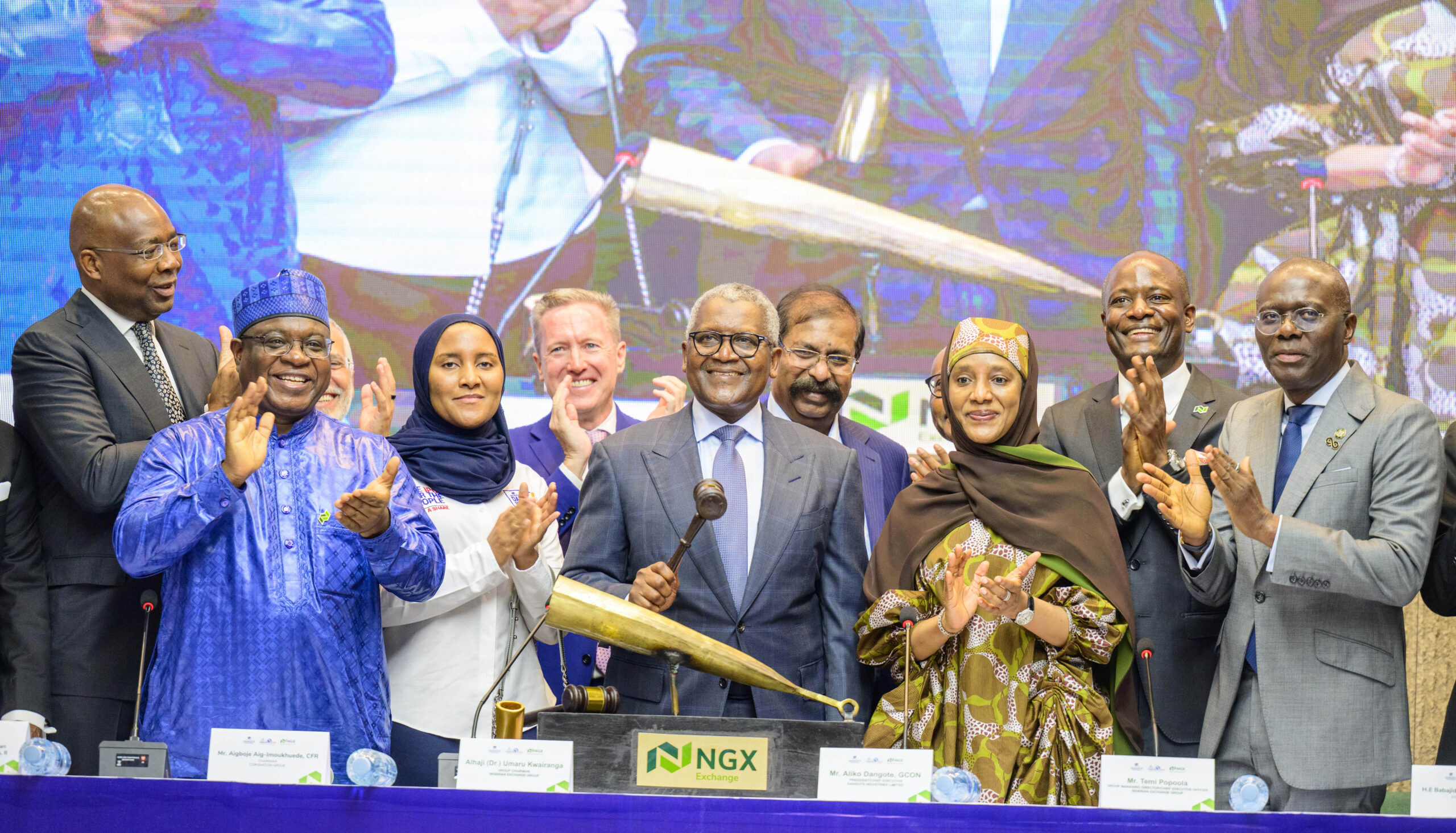
Ofikhenua said the conversation among major economies has increasingly moved from “energy transition” to “energy mix,” and pointed to strong investor demand for the Dangote Petroleum Refinery and Petrochemicals IPO and NUPRC’s licensing rounds as evidence that sentiment toward Nigerian hydrocarbons is turning.
He also announced that the association, formerly known as the Energy Correspondents Association of Nigeria (ECAN), has now formally registered with the Corporate Affairs Commission and opened its own bank account.
He closed by urging the government to sustain implementation of the PIA and improve security in the Niger Delta, calling policy stability and a peaceful operating environment the two conditions most likely to keep investors committed to the sector.