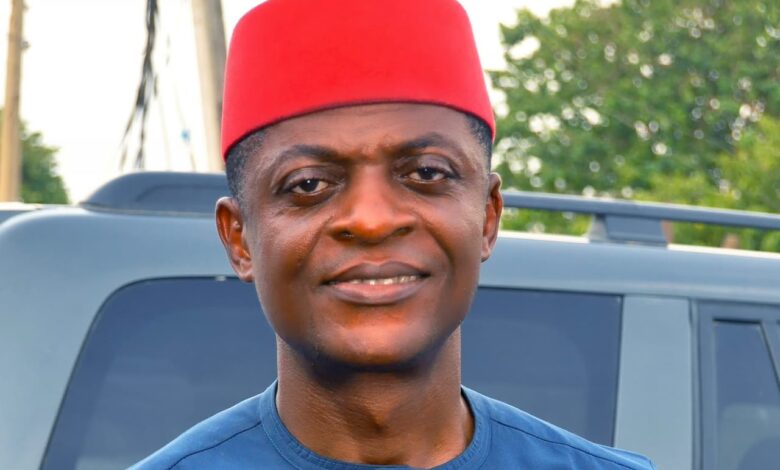


A transport expert, Engr. Emmanuel John, has called for a N500 billion annual intervention fund over five years to transform Nigeria’s urban transport system and accelerate sustainable mobility.

John, Chief Executive Officer of Ochenuell Mobility Solutions,made the call on Thursday in a statement marking the 2026 World Sustainable Transport Day, themed:”Sustainable Transport for All: Connecting People, Protecting the Planet.”
He said piecemeal bus purchases and intermittent government interventions could not address the country’s growing transportation challenges.
John urged the Federal Government to establish a dedicated fund to support states in developing integrated and efficient public transport systems.
He noted that road transport accounts for up to 90 per cent of passenger and goods movement in Nigeria, while an estimated 15 million vehicles, largely concentrated in urban centres, contribute to congestion and environmental pollution.
“Ad hoc bus purchases by state governments or intermittent federal donations cannot deliver systemic change,” he said.
John also warned that transport, predominantly road transportation, accounts for roughly 60 per cent of Nigeria’s carbon footprint, despite the country’s net-zero emissions target for 2060.
He argued that the Presidential Compressed Natural Gas Initiative, which reduces carbon emissions by about 20 per cent, should not be regarded as a standalone solution to the country’s transport and climate challenges.
Citing the Federal Capital Territory, he said emphasis on road construction without corresponding investment in integrated public transit had produced “wide roads without dependable transit service.”
He identified strong governance, technical capacity, inclusive infrastructure, efficient mobility systems and stakeholder engagement as five essential pillars for sustainable urban transportation.
The expert urged state governments to take greater responsibility for urban mobility development and formalise informal transport operations.
He also called for accelerated implementation of the National Land Transportation Policy and approval of the National Cycling Policy and Strategy for 2026 to 2030.
John further advocated investment in walking and cycling infrastructure, alongside possible restrictions on private vehicles in city centres as public transport alternatives expand.
He said achieving sustainable mobility would require shifting commuters from private cars to efficient public transport, stressing that lasting reforms depended on sustained political leadership.