

The Nigerian Army has acquired additional protracted TP-2 drones and reconfigured its aviation assets for combat operations as part of efforts to boost operational effectiveness against emerging security threats across the country.
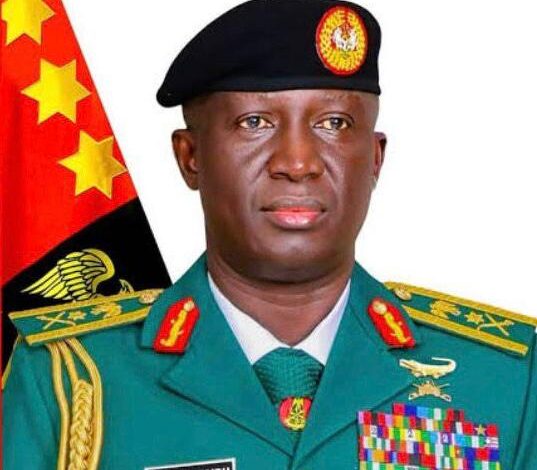
The Chief of Army Staff (COAS), Lt. Gen. Waidi Shaibu, disclosed this on Wednesday at the close of the 2026 COAS Conference, where senior military officers reviewed ongoing operations, training, and Nigeria’s evolving security landscape.
TheFact Daily reports that the Nigerian Army began expanding its drone capabilities in 2022 with the acquisition of American-made Aerosonde Mk 4.7 unmanned aerial vehicles for Intelligence, Surveillance, and Reconnaissance operations. In December 2024, the Army further strengthened its aerial combat fleet with the procurement of 43 Turkish-made Bayraktar TB2 combat drones to support counter-insurgency operations in the North-West.
Shaibu said the investments in modern combat capabilities were strategic and aimed at strengthening surveillance, target acquisition, precision strikes, and casualty evacuation during operations.
“Our investments in modern capabilities, such as the acquisition of additional protracted TP-2 drones and the configuration of the Nigerian Army aviation for combat purposes, are timely and strategic,” he said.
“These force multipliers have significantly enhanced our surveillance, target acquisition, precision strike, and casualty evacuation capabilities.”
The Army Chief noted that the dynamic nature of contemporary security threats demands that the Nigerian Army remain proactive, adaptive, and innovative in its operations.
According to him, the conference also reviewed intelligence, logistics, administration, operations, and institutional reforms targeted at transforming the Army into a more combat-ready and technology-driven force.
Shaibu reaffirmed the Army’s commitment to the welfare of officers and soldiers, stressing that improved living conditions and timely welfare packages are essential to operational effectiveness.
He said several intervention projects were ongoing across Army formations to improve working and living conditions for personnel, adding that a motivated soldier operating in a conducive environment would demonstrate higher morale, loyalty, and effectiveness.
“The discussion on welfare programmes such as timely payment of entitlements, improved healthcare services, educational support, and enhanced welfare packages will significantly contribute to the overall combat effectiveness of our troops,” he said.
“We must therefore continue to prioritise the well-being of our personnel and their families.”
The COAS also highlighted progress in recruit training, advanced military education, and leadership development, stressing that professionalism, discipline, and meritocracy remain central to building a stronger institution.
He charged commanders at all levels to implement resolutions reached during the conference, noting that the success of the deliberations would be measured by tangible outcomes across formations.