

The National Automotive Design And Development Council (NADDC) has stated that the nation is making progress in car assembling, with over 40 assembly plants now fully operational in the country.

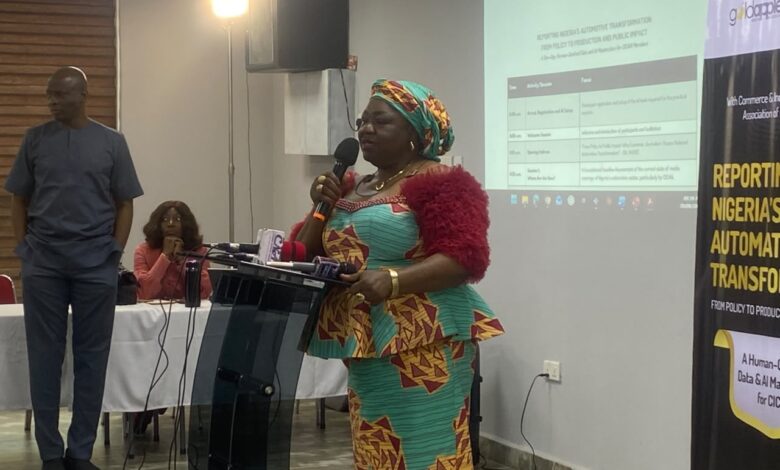
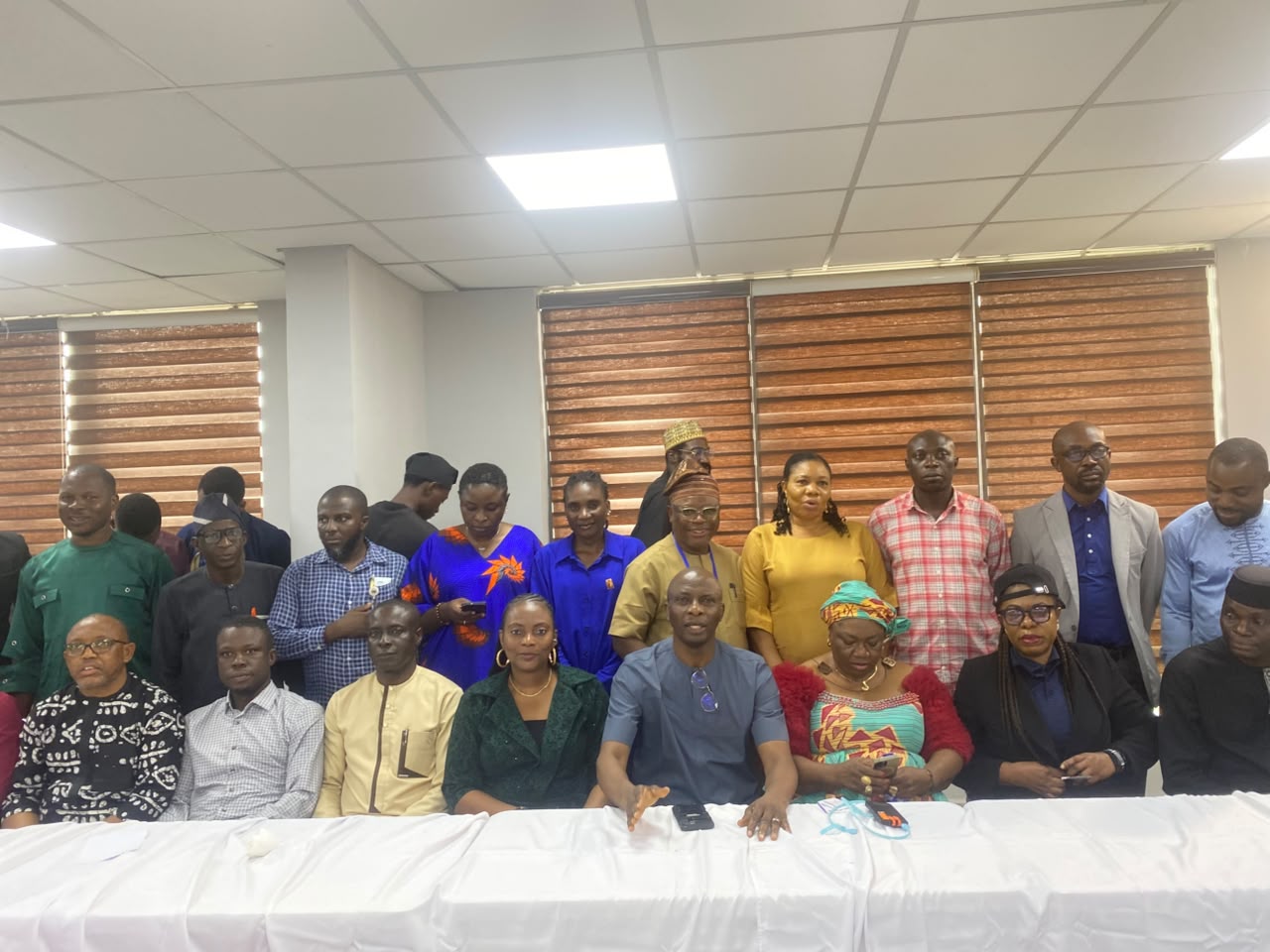
Director-General of NADDC, Mr Joseph Osanipin, stated this at a One-Day Human-Centered Data & AI Masterclass for Commerce and Industry Correspondents Association of Nigeria (CICAN) on Thursday in Abuja, with the Theme: “Reporting Nigeria’s Automative Transformation, from Policy To Production and Public Impact.”
The workshop was organised to deepen the understanding of the Commerce Journalists on how to navigate the complexity of reporting government policies and industry data, using the Artificial Intelligence (AI).
Speaking at the event, Mr. Osanipin, said the sector has undergone great transformation, from zero assembly plant in Nigeria to about 40 functional assembly plants currently in the country.
“At the time we started, there was no assembly plant in Nigeria,” he said. “But by the special grace of God, we have almost 40 assembly plants now that are functioning.”
The DG, who was represented by the Director, Public Relations, NADDC, Mrs. Susan Taiwo, called on private investors to scale up Nigeria’s auto sector by investing in CNG conversion and electric vehicle charging infrastructure.
According to him, public awareness remains a major challenge for the Council and other government agencies, emphasising the need to amplify the work of the agency.
“If you don’t amplify what you’re doing, no one will know what you’re doing. So that is why I’m saying to you, let us form our immediate constituency. Let us encourage ourselves and strategise on how we are going to inform the general public on what we are doing,” Osanipin said.
He said the Council is now driving Nigeria’s transition to cleaner energy vehicles in line with global trends.
“We are transiting to clean energy revolution; Electric vehicles, CNG, the council has championed this. We have compiled programmes. They are functioning,” Osanipin stated.
On CNG, the DG said NADDC has completed initial conversions and is now licensing conversion centres across the country.
“The council has tried. We have done the initial conversion. Now, we are giving licences to conversion centres. We have 80 CNG centres for conversion nationwide,” he said.
He added that training is currently ongoing to build capacity. “Especially, like today, in every zone, there is a training now. We try to train about 100 people in each zone. How to convert and install these CNG facilities. So, the training is going on now.”
For electric vehicles, Osanipin said the Council has carried out pilot projects in some universities and installed charging stations, but more private investment is needed.
“We have done our best. We know it is an expensive project. We have done some pilot in some universities. We installed charging stations. It is left for investors now to take up from there,” he said.
The DG stressed that government can only provide policy direction, while industrialists must take ownership of the market.
“The automotive industry is not a government industry. I know the government is supposed to introduce and champion it. It is for individual investors to come in and take up from where we stop and invest. Especially, the new trend of CNG and electric vehicles.”
He urged investors to build charging and CNG refueling stations to match global standards, noting that lack of infrastructure is holding back EV adoption.
“There is no way you can travel with an electric vehicle now in Nigeria, if investors don’t come in, and start putting charging stations all over. Like in America, I think, in every two hours you drive, you will see a gas station. You stop. If it is charging, you charge. If it is CNG, you refill your CNG. And move on.”
“That is what we need in Nigeria. We want investors to come in and invest on this project, so that even if somebody buys an electric vehicle, those who have it, they will be proud to charge it to their various destinations.”
Osanipin concluded by saying that Nigeria must align with global automotive trends.