Nigeria’s Digital Birth Registration Records 14.5m Children Across 6,000 Wards
By Alice Etuka, Abuja


The National Population Commission (NPC) says digital birth registration services were now available in more than 6,000 of Nigeria’s 8,809 wards, while targeted registration efforts had reached more than 14.5 million children.

This was contained in a statement issued by the United Nations Children’s Fund (UNICEF) on Monday.
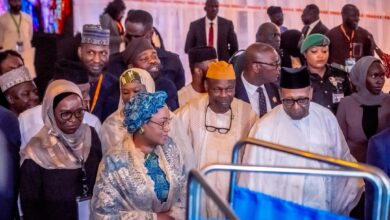
The Fund noted that Nigeria reaffirmed its commitment to ensuring that every child is registered at birth and recognized before the law as the country joined the rest of the continent to commemorate Africa Civil Registration and Vital Statistics (CRVS) Day 2026.
Observed under the theme, “New CRVS Decade (2026-2036): Consolidating the gains of the Africa Programme on Accelerated Improvement of Civil Registration and Vital Statistics (APAI-CRVS) and securing the future of Civil Registration and Vital Statistics in Africa through integration, decentralization and digitalization,” this year’s commemoration highlights the critical role of legal identity in protecting children’s rights and strengthening national development.
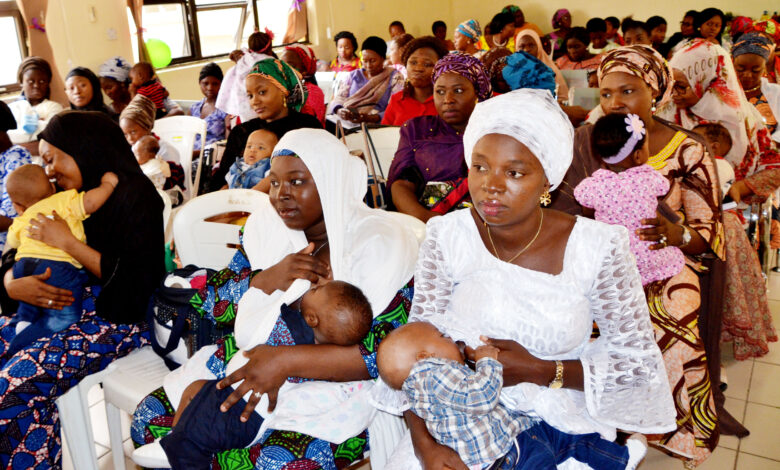
Birth registration is a child’s first legal recognition by the state. It provides proof of identity and lays the foundation for access to healthcare, education, social protection, and legal protection throughout life. It also generates vital data that supports planning and service delivery.
Nigeria continues to strengthen its Civil Registration and Vital Statistics (CRVS) system through collaboration among the National Population Commission (NPC), the National Identity Management Commission (NIMC), Association of Local Governments of Nigeria (ALGON), development partners, and communities.
According to NPC administrative data, digital birth registration services are now available in more than 6,000 of Nigeria’s 8,809 wards, while targeted registration efforts have reached more than 14.5 million children, including those living in rural, hard-to-reach and humanitarian settings.
Across states such as Bayelsa, Gombe, Jigawa, Taraba, Kebbi, Niger, and Zamfara, registration services are increasingly being linked with health facilities and community outreach initiatives, bringing services closer to families and helping ensure more children are registered closer to the point of birth.
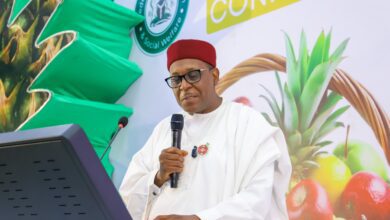
“Every registered birth strengthens the foundation for child protection and national development. Our priority is to ensure that every child, regardless of where they are born, is counted, protected and recognized before the law”, said Dr. Aminu Yusuf,
Chairman of the National Population Commission (NPC).
On his part, Director-General of the National Identity Management Commission (NIMC), Engr. (Dr.) Abisoye Coker-Odusote noted that, “integrated digital identity systems create a seamless pathway for individuals from birth through adulthood, while improving access to services and strengthening governance.”
Consequently, UNICEF stated that strengthening birth registration systems remained fundamental to realizing children’s rights and ensuring no child is invisible:
“Birth registration is far more than a certificate. It is a gateway to protection, services, and opportunity. UNICEF will continue working with the Government of Nigeria and partners to strengthen integrated, decentralized and digitalized systems that ensure every child is counted, protected and able to access their rights”, said Wafaa Saeed Abdelatef, UNICEF Representative in Nigeria.