Yilwatda Warns Fuel Subsidy Return Would Reverse Wage Gains, Education Funding
By Sunday Etuka


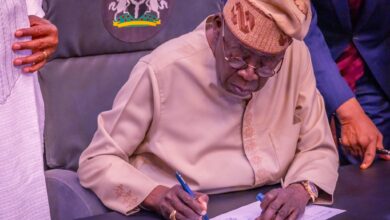
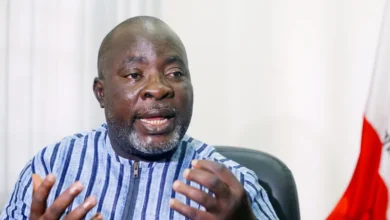
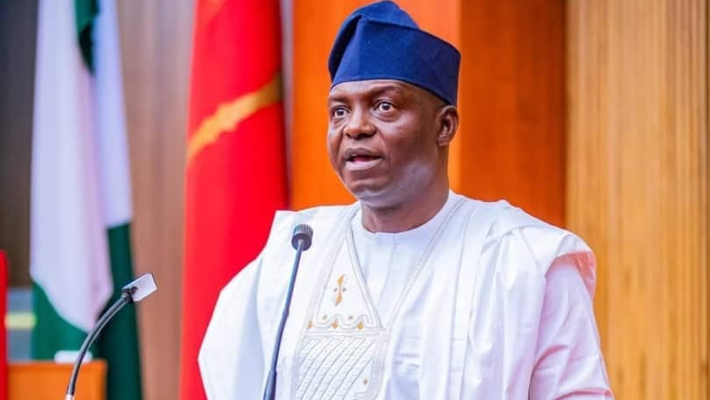
Nigerians could lose recent minimum wage increases, education financing gains, and face a return to fuel queues if former Vice President Atiku Abubakar’s proposal to restore fuel subsidies goes forward, the National Chairman of the All Progressives Congress (APC), Professor Nentawe Yilwatda, warned at the weekend.
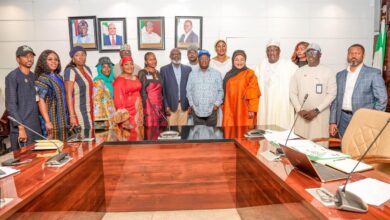
Speaking in Abuja to a delegation of economic stakeholders, Yilwatda argued that Atiku’s subsidy pledge repeated this week to the Osun State leadership of the African Democratic Congress (ADC), ignores the fiscal trade-offs that plagued Nigeria before subsidies were removed under the current administration.
“Subsidy may appear attractive because it promises cheaper petrol, but Nigerians must also ask the bigger question: who pays for the subsidy and what happens to the resources that government must divert to finance it?” Yilwatda said, according to a statement from his special adviser on media, Abimbola Tooki.
The APC chairman pointed to improvements in state governments’ finances since subsidy removal, saying many states had previously struggled to pay salaries and pensions before increased federal allocations gave them room to meet those obligations and fund development projects.
He cautioned that reversing course could recreate that fiscal strain.
Yilwatda also raised concerns about education funding, recalling lengthy disruptions to university academic calendars under earlier administrations and crediting the Nigeria Education Loan Fund (NELFUND) with expanding access to tuition financing. A subsidy-driven revenue squeeze, he said, would put such programs at risk.
On wages, he argued that the new minimum wage is sustainable only if governments retain the fiscal capacity to pay it without shortchanging infrastructure, healthcare, and education.
He additionally pointed to gains in Nigeria’s digital economy, including expanded use of local bank cards for international transactions as progress that depends on a stable financial system he says subsidy spending could jeopardize.
Yilwatda called on Atiku and other proponents of restoring subsidies to answer specific questions: what the policy would cost, how it would be funded, what programs would be cut to pay for it, and how long it could be sustained.
“These are legitimate questions that must be answered before the country embarks on another expensive policy experiment,” he said.
He acknowledged that hardship following subsidy removal has been real and said government must keep working to cushion its effects, but argued the solution lies in building a self-sustaining economy rather than reviving subsidy spending.
Atiku, for his part, has stood firm on his pledge. “On the question of subsidy, my position has not changed and will not change: I will restore it,” he said, framing the policy as a way to restore purchasing power, lower transport and food costs, and support struggling families and businesses.
He said his approach would target relief rather than revive what he called the “import racket” associated with the old subsidy system.