PETROAN Urges Tinubu To Restart Government Refineries Before January Election
By Sunday Etuka


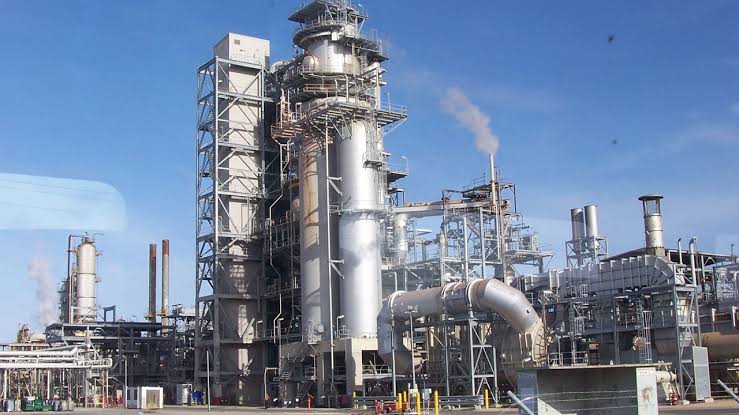
The Petroleum Products Retail Outlets Owners Association of Nigeria (PETROAN) has called on President Bola Tinubu to direct the Nigerian National Petroleum Company Limited (NNPCL) to take urgent steps to restart and sustainably operate the country’s government-owned refineries before the January election period.
The call followed the association’s warm reception of the petroleum and energy-related messages in the President’s Independence Day address, which it described as a sign of the Federal Government’s continued focus on using Nigeria’s natural resources to drive economic growth and improve lives.
The National President of PETROAN, Dr. Billy Gillis-Harry, particularly welcomed the President’s pledge that “we will use our gas to power new industries.”
He said Nigeria’s gas resources can provide the energy needed to power industries, create jobs, reduce production costs and improve the competitiveness of Nigerian businesses.
PETROAN also welcomed the President’s statement that oil theft has reduced, noting that sustained progress in this area can support higher crude oil production, improve government revenue and strengthen confidence in the petroleum sector.
Gillis-Harry said the President’s emphasis on cutting production costs is especially important because energy costs directly affect transportation, manufacturing, agriculture and other productive activities. He stressed that the shift from economic reforms to what the President called the “age of prosperity” must ultimately show in the real economy and in the daily lives of Nigerians.
Gillis-Harry, in a statement jointly signed on Thursday by the association’s Special Adviser, Media, Chris Odia, and National PRO, Dr. Joseph Obele, said the long inactivity of the refineries has hurt businesses, workers, contractors, transport operators and communities whose livelihoods depend on the petroleum value chain.
According to him, returning the refineries to productive operation would raise domestic refining capacity, strengthen energy security, create economic opportunities and make better use of existing national assets.
“This is not simply about restarting refineries. It is about putting national assets back to work for Nigerians,” he said.
PETROAN noted that increased domestic refining capacity, alongside privately owned refineries, could create a more competitive downstream market.
Greater competition, it said, could encourage efficiency, improve product availability and potentially put downward pressure on petroleum product prices.
The association cautioned, however, that prices would still depend on crude oil supply costs, exchange rates, taxes and logistics.
The association stressed that refinery revival must be backed by reliable crude oil supply, efficient operations and effective distribution of petroleum products.
PETROAN also acknowledged the President’s reaffirmation of the administration’s economic reforms and his stance against what he described as “addictive subsidies.”
Gillis-Harry said the priority should now be to build a sustainable petroleum market that protects consumers, encourages investment and allows legitimate businesses to operate in a transparent and predictable environment. He called for stronger cooperation among the Federal Government, NNPCL, regulatory agencies, refinery operators, petroleum marketers and other industry stakeholders.
Welcoming the President’s declaration that “the age of reform has done its work. Now begins the age of prosperity,” PETROAN urged the Federal Government to ensure that this new phase delivers tangible benefits across the petroleum sector and the wider economy.
“Nigerians want to see the benefits of our natural resources in their businesses, their jobs, their transportation costs and their everyday lives. A functioning domestic refining sector can be an important part of achieving that,” Gillis-Harry said.
PETROAN said it remains committed to supporting policies that promote energy security, strengthen domestic refining, improve petroleum product distribution, encourage investment and ensure that Nigeria’s oil and gas resources create greater value for Nigerians.